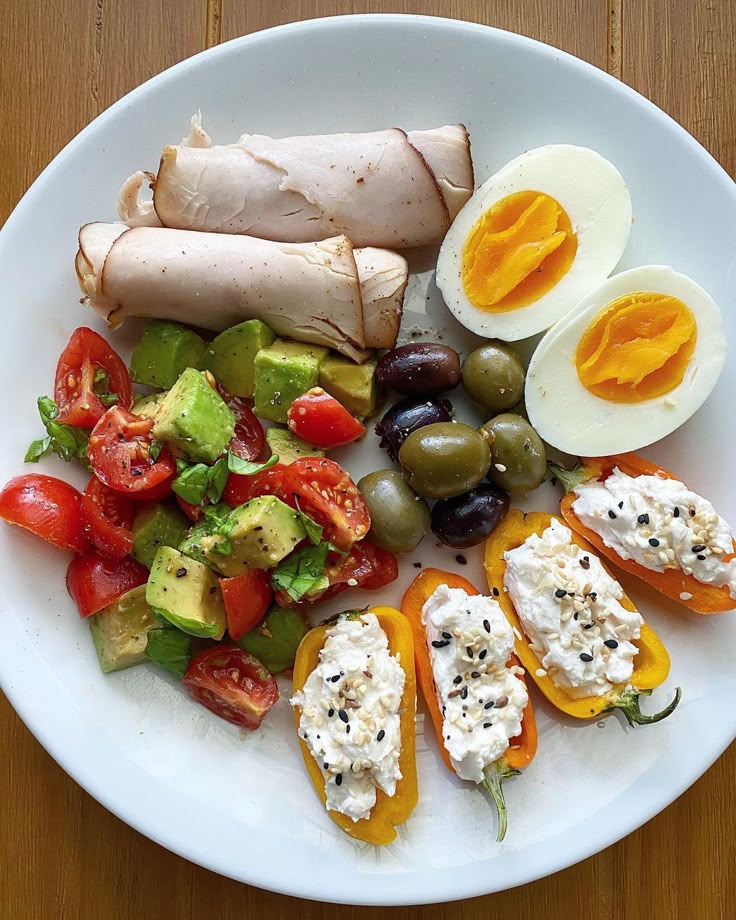
Nutrition advice can often feel confusing. One day carbs are the villain, the next day fat is the problem, and protein becomes the hero of every diet trend. However when we strip away the noise, macronutrients—protein, carbohydrates, and fats—are simply the three major components that make up the calories in the food we eat. Each plays a unique and essential role in keeping the body functioning.
Whether you are trying to lose weight, build muscle, improve energy levels, or simply understand your meals better, knowing what macronutrients do will help you make more informed choices. This guide breaks down each macronutrient, how much you really need, and how to incorporate them into a balanced, healthy diet.
What Are Macronutrients? A Simple Definition
Macronutrients (or “macros”) are nutrients the body needs in large amounts to function properly. They provide:
Energy (calories)
Structural components (muscles, hormones, cells)
Fuel for daily activities and internal processes
Every food you consume contains one or more of the three macros:
Protein
Carbohydrates
Fats
Understanding how they work—and how your body uses them—forms the foundation of good nutrition.
Protein — The Building Block of the Human Body
Protein is essential for growth, tissue repair, and the creation of enzymes and hormones. Every cell in your body contains protein, making it vital across all life stages.
How Protein Works in the Body
Protein breaks down into amino acids, which your body uses for:
Building and repairing muscle tissue
Producing hormones (e.g., insulin, growth hormone)
Generating antibodies for immunity
Transporting nutrients throughout the body
Maintaining healthy hair, skin, and nails
Since the body does not store protein the way it stores fat or carbs, consistent intake is essential.
How Much Protein Do You Need?
Protein needs vary depending on age, body weight, and activity level.
General guideline by the World Health Organization (WHO):
0.8 grams per kilogram of body weight per day
But needs are higher for:
Active individuals: 1.2–1.6 g/kg
Strength training or muscle-building goals: 1.6–2.2 g/kg
Older adults: 1.0–1.2 g/kg (to prevent muscle loss)
Healthy Protein Sources
Lean meats
Eggs
Fish and seafood
Greek yogurt and cottage cheese
Lentils and chickpeas
Tofu and tempeh
Nuts and seeds

Carbohydrates — Your Main Energy Source
Carbs break down into glucose, fuelling your brain, muscles, and daily activity.
They support:
Brain & nervous system function
Workout performance
Digestive health (fiber)
Hormone balance
Steady energy levels
Simple vs. Complex Carbs
Simple carbs:
Fast-digesting, quick energy
Sugar, pastries, juices
Best in moderation
Complex carbs:
Slow digestion, nutrient-rich
Whole grains, vegetables, beans
Provide long-lasting energy
Carb Intake Guidelines
45–65% of daily calories
Athletes: Higher end
Sedentary lifestyles: Lower end
Low-carb diets: 10–30%
Healthy Sources:
Whole grains, vegetables, fruits, lentils, sweet potatoes.
Fats — Brain & Hormone Support
Fats provide sustained energy and help absorb vitamins A, D, E & K.
Types of Fat
Unsaturated (best choice):
Nuts, seeds, avocado, olive oil, fatty fish
Saturated (moderate):
Dairy, meat, coconut oil
Trans fats (avoid):
Ultra-processed foods — linked to heart disease
Fat Intake Guidelines
20–35% of daily calories
Too little fat may affect hormones, vitamin absorption, skin & hair health.
How Macros Work Together
Carbs: Quick fuel
Fats: Long-term energy
Protein: Muscle repair & satiety
Extreme restriction of any macro often causes fatigue, cravings, and metabolic slowdown.
Ideal Macro Ratios
There’s no “perfect” ratio — it depends on your body, goals, and activity level.
General balance
Protein: 20–30%
Carbs: 40–55%
Fats: 20–35%
Goal - based Adjustments
Weight loss: Higher protein + moderate fats + controlled carbs
Muscle gain: High protein + high carbs
Endurance: Higher carbohydrates
Building Balanced Meals
Use the Macro Plate Method:
½ plate: Veggies & whole-food carbs
¼ plate: Protein
¼ plate: Healthy fats
This keeps meals filling, nutrient-dense, and balanced.
Understanding Your Body
Protein: Keeps you full, maintains muscle
Carbs: Drive energy and blood sugar response
Fats: Support hormones and slow digestion
Pay attention to how different macro combinations make you feel — your best ratio is the one that works for you.
FAQs
1. Are carbs bad for weight loss?
No. Carbs support energy and workouts. Weight loss depends on calories and balance, not eliminating carbs.
2. What’s the healthiest fat?
Unsaturated fats — from olive oil, nuts, seeds, and fish.
3. Can I eat low-carb safely?
Yes, for some people — but extreme carb restriction may reduce exercise performance and increase fatigue.
4. How much protein do I need daily?
Rough guide: 1.6–2.2 g per kg of body weight for active individuals, less for sedentary adults.
5. Do I need to track macros?
Not always. Tracking helps with specific goals, but balanced plates and portion awareness work well long-term.
6. How do I know my macro ratio is right for me?
You feel energized, recover well after workouts, maintain stable hunger levels, and reach your health goals consistently.